

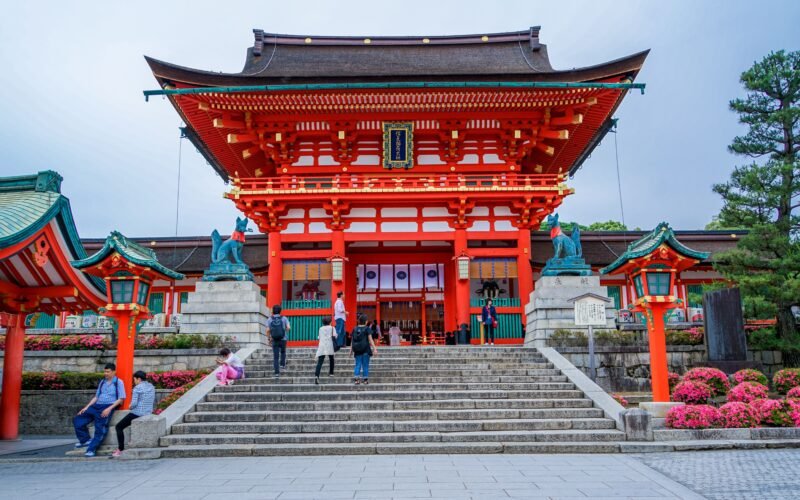
If you’ve been thinking about visiting Japan, you’re certainly not alone.
As the summer travel season gets underway, Japan is welcoming an unprecedented wave of international visitors, with airports, train stations, and popular tourist attractions experiencing some of their busiest days in recent history. From the neon-lit streets of Tokyo to the peaceful temples of Kyoto and the breathtaking landscapes of Hokkaido, travelers from around the world are returning in record numbers.
The tourism boom is a welcome sign for Japan’s economy, especially after years of uncertainty caused by the pandemic. Hotels are reporting high occupancy rates, airlines are adding more international flights, and local businesses are seeing renewed demand from overseas visitors. At the same time, officials are working to balance economic benefits with concerns about overcrowding at some of the country’s most famous destinations.
Tourism Reaches New Heights
Japan’s tourism industry has been on an impressive upward trajectory over the past year, but recent figures suggest that momentum is only accelerating.
Government tourism data indicates that international arrivals have continued to climb, supported by increased flight capacity, favorable exchange rates, and strong global interest in Japanese culture. The weaker yen has also made Japan a more affordable destination for many international travelers, encouraging longer stays and higher spending.
For restaurants, retailers, and accommodation providers, the surge couldn’t have come at a better time. Many businesses that struggled during travel restrictions are now benefiting from renewed visitor demand.
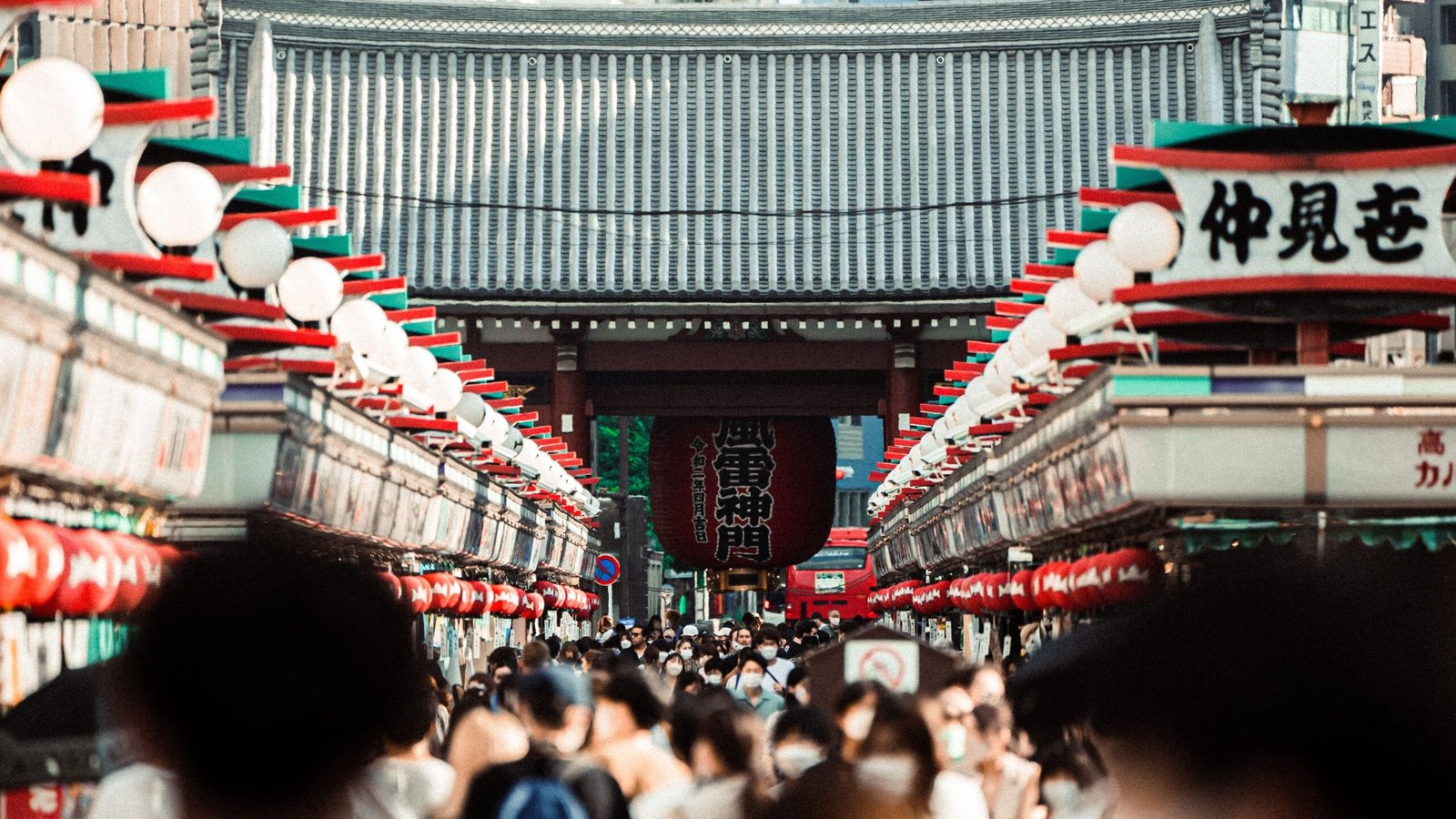
Why Travelers Are Choosing Japan
Japan offers something for almost every type of traveler.
Food lovers come to experience authentic sushi, ramen, and regional specialties. History enthusiasts explore centuries-old temples, shrines, and castles. Nature lovers head to the Japanese Alps, Hokkaido, or Okinawa, while city explorers immerse themselves in the energy of Tokyo and Osaka.
Another factor attracting visitors is Japan’s efficient transportation network. The country’s famous high-speed Shinkansen trains make it easy to travel between major cities, allowing tourists to experience multiple destinations within a single trip.
Safety also remains one of Japan’s strongest advantages. The country consistently ranks among the safest travel destinations in the world, making it particularly attractive for solo travelers and families.
Popular Destinations Feel the Pressure
While the tourism boom is benefiting businesses nationwide, it has also created new challenges.
Cities such as Kyoto have reported growing concerns about overcrowding at historic temples and cultural landmarks. Narrow streets that once offered a peaceful atmosphere now regularly see long lines of tour groups during peak hours.
Mount Fuji, another iconic destination, has introduced additional visitor management measures aimed at protecting the environment while improving safety for hikers.
Local governments are increasingly encouraging tourists to explore lesser-known regions instead of concentrating visits in a handful of famous locations.
Hidden Gems Are Gaining Attention
One noticeable trend this year is the growing popularity of destinations beyond Japan’s traditional tourist hotspots.
Travelers are discovering smaller cities and rural regions that offer authentic cultural experiences without the heavy crowds.
Places such as Kanazawa, Takayama, Beppu, and Matsue are attracting visitors interested in traditional architecture, local cuisine, hot springs, and historic neighborhoods.
Tourism experts believe this shift could help distribute economic benefits more evenly while reducing pressure on overcrowded attractions.
Airlines Expand International Routes
The recovery in tourism has encouraged airlines to increase flight capacity across Asia, Europe, North America, and Australia.
Several carriers have introduced additional services to Tokyo, Osaka, and other major airports to meet growing demand during the summer season.
Travel agencies have also reported strong bookings for guided tours, family vacations, and luxury travel packages, suggesting that consumer confidence in international travel remains high.
Industry analysts expect demand to remain strong throughout the remainder of the year.
Sustainable Tourism Becomes a Priority
Japan is also placing greater emphasis on sustainable tourism.
Authorities are investing in infrastructure improvements, promoting environmentally responsible travel, and encouraging visitors to respect local customs and traditions.
Simple practices such as disposing of waste properly, avoiding restricted areas, and supporting local businesses can make a meaningful difference in preserving cultural heritage.
Many destinations are also introducing multilingual information systems to improve the visitor experience while reducing pressure on local communities.
Tips for Travelers Planning a Visit
Anyone planning a trip to Japan this summer should prepare well in advance.
Booking flights and accommodation early can help avoid higher prices during peak travel periods. Popular attractions often require advance reservations, particularly museums, observation decks, and theme parks.
Travelers are also encouraged to purchase rail passes where appropriate and familiarize themselves with local etiquette, including quiet behavior on public transportation and respectful conduct at religious sites.
Planning a flexible itinerary can also help avoid the busiest crowds.
Economic Impact Extends Beyond Tourism
The benefits of increased visitor numbers extend well beyond hotels and airlines.
Retailers, restaurants, transportation providers, entertainment venues, and cultural attractions all contribute to the broader tourism economy.
International visitors also generate demand for local crafts, regional food products, and traditional experiences, helping preserve cultural industries that might otherwise struggle.
Economists expect tourism to remain an important contributor to Japan’s economic growth throughout 2026.

Looking Ahead
Although the record-breaking visitor numbers are encouraging, managing tourism sustainably will remain an ongoing challenge.
Authorities are expected to continue promoting regional destinations while investing in infrastructure capable of supporting future growth.
If current trends continue, Japan could once again rank among the world’s most visited travel destinations, strengthening its reputation as a country that successfully combines modern innovation with centuries of cultural tradition.
For travelers, the message is clear: Japan remains one of the most rewarding places to visit—but planning ahead has never been more important.
Conclusion
Japan’s tourism boom reflects a broader global enthusiasm for meaningful travel experiences.
From world-famous cities to hidden countryside escapes, the country continues to attract visitors seeking history, culture, food, and natural beauty.
As the summer season reaches its peak, Japan faces the exciting challenge of welcoming record numbers of tourists while protecting the destinations that make the country so special.
For anyone considering their next international adventure, Japan’s renewed popularity offers both inspiration and a reminder to travel responsibly.
Frequently Asked Questions (FAQs)
A combination of increased international flights, a favorable exchange rate, and strong global interest in Japanese culture has driven record visitor numbers.
Tokyo, Kyoto, Osaka, and Mount Fuji remain among the country’s busiest tourist destinations during peak travel seasons.
Yes, although travelers should expect warm weather, larger crowds, and higher accommodation demand due to the peak tourist season.
Kanazawa, Takayama, Beppu, Matsue, and parts of Hokkaido offer excellent cultural and natural experiences with fewer visitors.
Visitors can support local businesses, follow local customs, avoid littering, and consider exploring lesser-known regions to reduce pressure on popular attractions.
