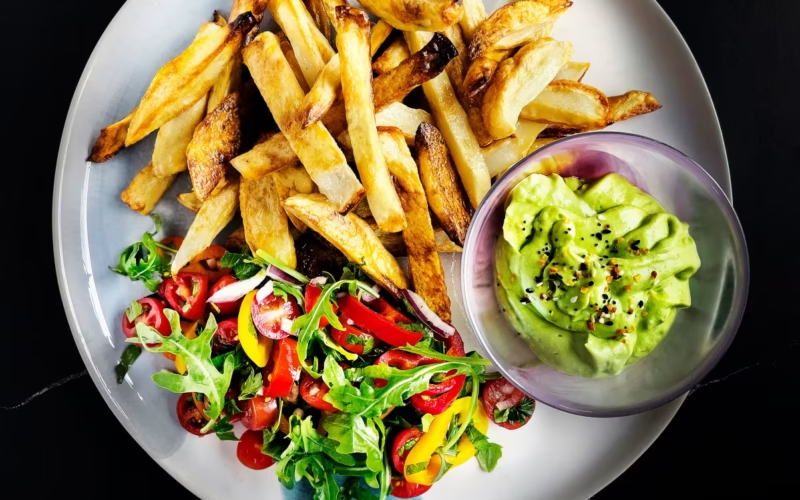
Many people believe a healthy lunch can "cancel out" a few processed snacks later in the day. However, a major study published in Alzheimer's & Dementia reveals that when it comes to long-term brain health, the degree of food processing matters much more than we realize. The research shows that increasing your daily intake of ultra-processed foods (UPFs) by just 10% is linked to a measurable drop in your ability to focus and an increased risk of developing dementia. To put that in perspective, a 10% increase is roughly equivalent to adding a single small, individual bag of potato chips…
The ongoing friction between Washington and Sacramento has reached a massive financial flashpoint. In a move described as the "largest deferral in agency history," the Trump administration has officially withheld $1.3 billion in Medicaid payments from California. Leading the charge are Vice President JD Vance and CMS Administrator Dr. Mehmet Oz, who claim the move is a necessary strike against widespread fraud. However, California officials aren't backing down, calling the freeze a politically motivated attack on the state’s most vulnerable residents. The Federal Case: "Following the Money" Vice President Vance, who currently heads an aggressive anti-fraud task force, framed the…
For millions of people, "pollen season" typically means a few weeks of itchy eyes and a runny nose. But the situation is different in 2026. Experts warn that climate change is making allergies not only more annoying but deadly. Our warming planet is supercharging the air we breathe, from the terrifying phenomenon of "Thunderstorm Asthma" to pollen seasons that now span months. 1. The Melbourne Catastrophe: When Air Turns Toxic On November 21, 2016, the city of Melbourne, Australia, was the site of what scientists describe as a “catastrophic” health event. A huge thunderstorm rolled in and knocked out emergency…
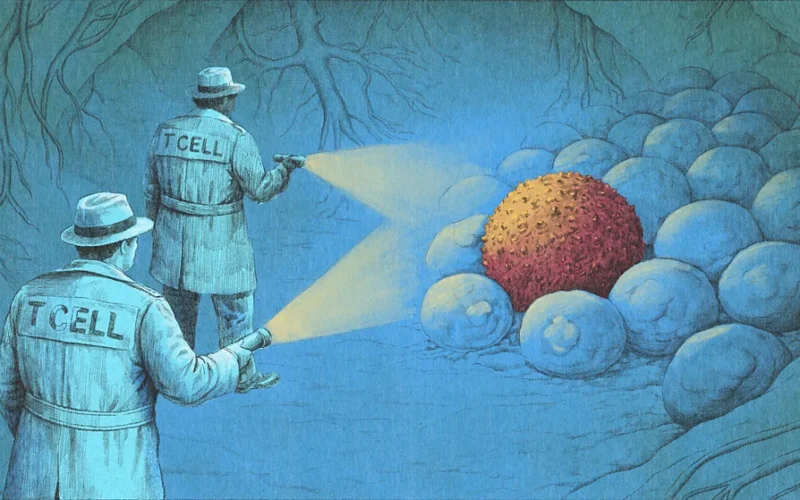
From Science Fiction to Cure: The New Wave of Immunotherapy Wiping Out Cancer For nearly a century, the idea of manipulating the body’s immune system to fight cancer was considered unrealistic. Today, it is a reality saving lives and, in some cases, making the "mediaeval" tools of surgery, radiation and chemotherapy unnecessary. She didn’t have the same gruelling recovery from her previous cancer battle when she was diagnosed with oesophageal cancer, Maureen Sideris, 71, said. She used an infusion rather than a knife. Four months later her tumour disappeared. “It’s like science fiction,” she says. Here’s how immunotherapy is coming…