

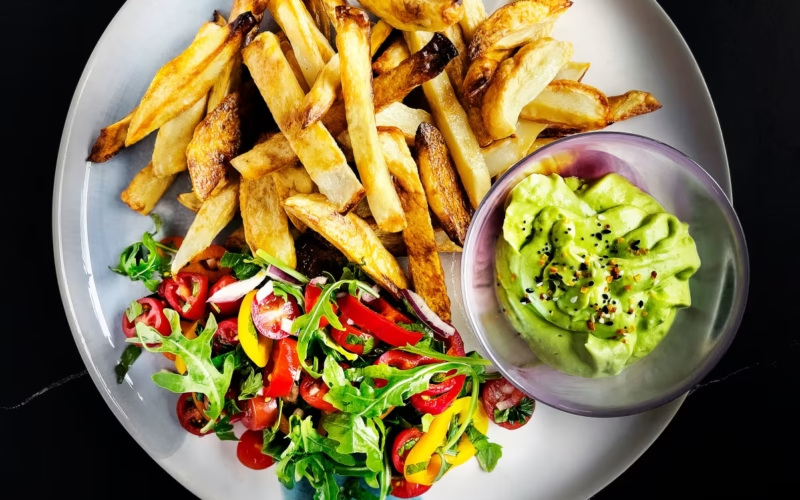
Many people believe a healthy lunch can “cancel out” a few processed snacks later in the day. However, a major study published in Alzheimer’s & Dementia reveals that when it comes to long-term brain health, the degree of food processing matters much more than we realize.
The research shows that increasing your daily intake of ultra-processed foods (UPFs) by just 10% is linked to a measurable drop in your ability to focus and an increased risk of developing dementia. To put that in perspective, a 10% increase is roughly equivalent to adding a single small, individual bag of potato chips or a can of soda to your daily routine.
Perhaps the most alarming takeaway? This negative shift occurred even in individuals who otherwise followed a highly nutritious, plant-rich Mediterranean diet.
Why the “Salad Protection” Fails
Historically, nutritional science assumed that the main danger of junk food was displacement—essentially, filling up on chips meant missing out on the vitamins in a salad. But this new study, led by nutritional biochemist Dr. Barbara Cardoso from Monash University, suggests the processing itself is actively harmful.
Ultra-processing entirely alters the natural, cellular matrix of food. It strips away beneficial elements like flavonoids and fiber while introducing high-fructose corn syrup, emulsifiers, industrial stabilizers, and chemicals from packaging.
When researchers tracked over 2,100 middle-aged and older adults, they found a clear pattern. Every 10% rise in UPF consumption translated directly to lower scores on standardized cognitive tests measuring visual attention and processing speed.
“This association was not changed by adherence to the Mediterranean diet,” Dr. Cardoso explained. “It indicates that the cognitive decline is linked directly to food manufacturing and processing, rather than simply missing out on healthy nutrients.”
A Massive Problem for Western Diets
This data strikes at the heart of modern eating habits. According to data from the Centers for Disease Control and Prevention (CDC), ultra-processed foods account for roughly 53% of all calories consumed by U.S. adults. For children, that number climbs to a staggering 62%.
The brain consumes about 20% of the body’s daily energy, making it highly sensitive to the quality of fuel it receives. Over time, the chemical additives and structural destruction of UPFs are believed to trigger neuroinflammation and accelerate biological aging, wearing down the brain’s fundamental processing units.
While the study did not find an immediate impact on short-term memory, it highlighted a deterioration in sustained attention. Because focus is the baseline requirement for problem-solving and learning, eroding this foundation creates a dangerous trajectory toward cognitive impairment later in life.
The Silver Lining: Reversing the Damage
While the findings are a stark reality check, neurologists emphasize that the brain is incredibly resilient. Dietary changes can fundamentally alter your cognitive trajectory over time.
-
The 12% Recovery Advantage: Independent research from Harvard Medical School found that individuals who systematically replaced ultra-processed foods with whole, minimally processed options over a five-to-six-year window achieved a 12% lower risk of cognitive decline.
-
The Decade Turnaround: A separate study tracking adults in their 50s and 60s showed that those who committed to cutting out heavily manufactured foods over a 10-year period slashed their risk of Alzheimer’s and dementia by 11%.
How to Protect Your Mind, One Bite at a Time
You don’t need to completely overhaul your kitchen overnight to see results. Protecting your cognitive health can start with micro-habits:
-
The Single-Swap Rule: Identify just one ultra-processed item you eat daily—such as a sugary morning cereal, a packaged energy bar, or a flavored soda—and replace it with a whole food alternative like oatmeal, a handful of raw walnuts, or sparkling water with a squeeze of fresh lime.
-
Prioritize Brain Fuel: Focus on foods rich in the specific nutrients the brain needs to maintain resilience. Incorporating fresh fruits, leafy green vegetables, extra-virgin olive oil, and even a daily egg (rich in memory-supportive choline and DHA) helps build a defensive barrier against cognitive decline.
-
Read the Complexity: If a food label reads like a chemistry textbook with long lists of unfamiliar additives, texturizers, and artificial flavors, it’s a clear indicator that the food’s natural structure has been stripped away.
The Takeaway: You are not entirely stuck with the cognitive future dictated by your past habits. Brain health is an ongoing process, and protecting your long-term focus starts with the very next choice you make at the grocery store.
What do you think? Do these findings make you rethink the convenience of grab-and-go packaged snacks, or is it too difficult to completely avoid ultra-processed foods in today’s fast-paced world?
