

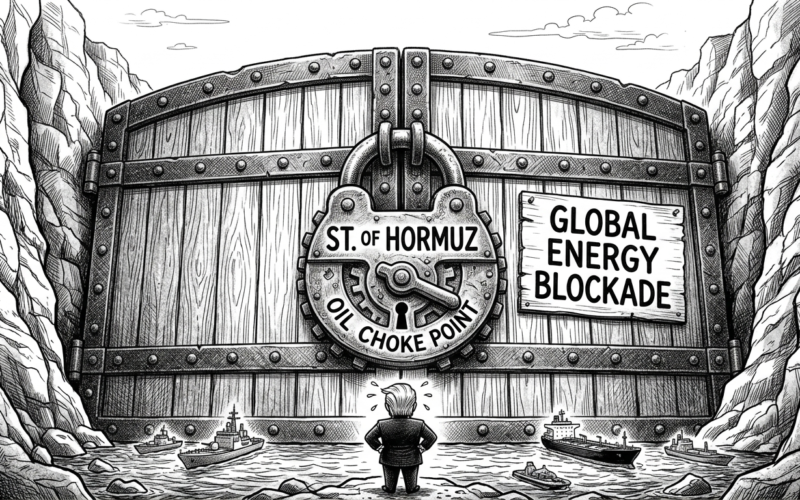
As we close out the first quarter of 2026, the world finds itself at a dangerous crossroads. What began as localised maritime skirmishes in the Gulf has spiralled into a full-blown geopolitical crisis that is currently rewriting the rules of global trade, energy security, and even food production.
If you’ve noticed the price of fuel, groceries, or tech jumping this week, you’re feeling the “Hormuz Effect.” Here is the breakdown of why the events of late March are sending shockwaves across the globe.
1. The Strait of Hormuz: A Global Chokepoint Under Fire
The Strait of Hormuz is the world’s most important oil artery. This month, the “tit-for-tat” strikes between US-Israeli forces and Iranian units have turned this vital passage into a “No-Go Zone” for many commercial tankers.
- The Reality: With Brent Crude surging past $115 per barrel this week, countries from Singapore to the UK are reporting record-high diesel prices (surpassing S$4 a litre in some regions).
- The Risk: This isn’t just about cars. It’s about the massive container ships that carry our electronics, clothes, and medicine. When the Strait slows down, the world slows down.
2. The “Fertiliser Famine” Threat
Most people associate the Middle East only with oil, but there is a hidden crisis: Fertilisers. * The region is a global hub for nitrogen-based fertilisers. With production facilities in the Gulf being caught in the crossfire or losing power, farmers in India, Brazil, and Europe are facing a “Fertiliser Famine.”
- The News: The UN has warned that disruptions to these shipments during critical planting seasons could lead to a global agrifood crisis by the end of 2026.
3. Climate Meets Conflict: The 60°C Heat Index
Adding to the political tension is a literal heatwave. Thailand’s Digital Ministry has confirmed reports that parts of Southeast Asia could hit a 60°C (140°F) Heat Index in early April.
- This extreme weather is putting an impossible strain on power grids that are already struggling due to high fuel costs. It’s a “perfect storm” where climate change and war are amplifying each other’s damage.
4. The Shift in Leadership
While the world watches the explosions, major political shifts are happening in the background:
- In Myanmar: Senior General Min Aung Hlaing has stepped down as Army Chief, a massive move for the region’s stability.
- In the US: The current administration is facing intense pressure to reach a “deal” with Tehran as the November Midterms loom, with threats of striking civilian infrastructure if a stalemate continues.
What to Watch in April:
- The Oil Reserve Release: Will major nations release more strategic reserves to cool down the $115/barrel price tag?
- The “Digital Census”: Countries like India are launching massive technology-driven data collection projects (April 1st) to better manage resources during these crises.
- The “Trance” of Diplomacy: Watch for high-level meetings in Delhi and Singapore as Asian powers try to mediate between the West and Iran to keep trade lanes open.
The Verdict: March 2026 has shown us that the global system is more interconnected than we ever realised. A drone strike in the Gulf doesn’t just stay in the Gulf—it affects the price of a loaf of bread in London and the heat-safety of a worker in Bangkok.
Stay tuned for live updates as this situation evolves.
