

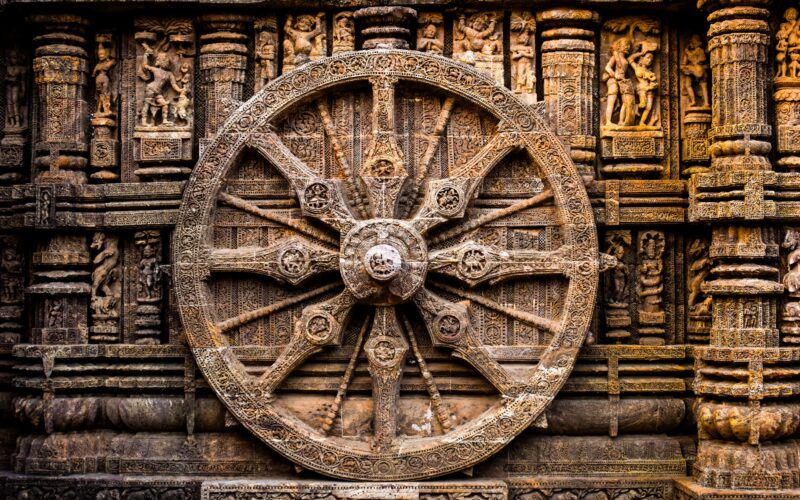
The United Nations Educational, Scientific and Cultural Organization (UNESCO) has announced the addition of 26 new locations to its prestigious World Heritage List, marking one of the organization’s most significant cultural preservation decisions in recent years. The announcement, made during the latest World Heritage Committee session, recognizes historic cities, archaeological landmarks, cultural landscapes, and natural wonders that hold exceptional value for humanity.
The latest inscriptions reflect UNESCO’s ongoing mission to preserve places that tell the story of civilizations, celebrate cultural diversity, and protect irreplaceable heritage for future generations. They also shine a spotlight on lesser-known destinations that could see increased global recognition and tourism in the years ahead.
A Milestone for Global Cultural Preservation
Each year, UNESCO evaluates nominations submitted by member states, assessing whether a site meets strict criteria related to cultural significance, historical importance, authenticity, and conservation.
The newly inscribed locations represent a diverse mix of regions and traditions, highlighting the richness of human history across continents. Several of the selected sites showcase ancient architecture, while others recognize living cultural traditions that continue to shape local communities today.
Officials described this year’s selections as an important step toward ensuring that cultural heritage is protected amid growing challenges such as climate change, urban development, conflict, and mass tourism.
Why UNESCO Recognition Matters
Receiving UNESCO World Heritage status is more than an honorary designation.
Once listed, a site gains international recognition and becomes eligible for additional conservation support, technical expertise, and global cooperation aimed at protecting its historical and cultural value.
For many destinations, UNESCO recognition also brings significant economic opportunities. Tourism often increases following inscription, creating jobs for local communities while encouraging investment in infrastructure and heritage preservation.
However, experts caution that increased visitor numbers must be managed carefully to ensure that cultural landmarks remain protected from over-tourism and environmental damage.

Newly Recognized Sites Reflect Global Diversity
The latest additions include historic settlements, religious monuments, industrial heritage, archaeological remains, and cultural landscapes from multiple regions of the world.
Several sites celebrate indigenous traditions that have survived for centuries, while others recognize remarkable examples of architectural innovation and artistic achievement.
UNESCO emphasized that the new inscriptions demonstrate how cultural heritage extends beyond monuments to include landscapes, traditions, and places that continue to play an important role in modern society.
By expanding the World Heritage List, the organization hopes to promote greater appreciation for cultures that may not always receive international attention.
Tourism Industry Expected to Benefit
Travel analysts believe the latest UNESCO designations could significantly influence international tourism over the coming years.
World Heritage Sites frequently become top attractions for travelers interested in history, architecture, archaeology, and cultural experiences. Countries that received new inscriptions are expected to strengthen promotional campaigns highlighting their newly recognized landmarks.
Industry experts predict that destinations featured on the updated list could experience increased demand from international visitors seeking authentic cultural experiences.
Local businesses, including hotels, restaurants, tour operators, and artisans, often benefit from the additional tourism generated by UNESCO recognition.
Conservation Challenges Continue
While UNESCO designation brings prestige, it also creates new responsibilities.
Many heritage sites face threats from pollution, climate change, natural disasters, illegal construction, and armed conflict. Rising visitor numbers can also place additional pressure on fragile historical structures.
UNESCO works closely with national governments to develop conservation strategies that balance tourism with long-term preservation.
Experts argue that sustainable tourism will remain essential if newly recognized sites are to retain their historical integrity for future generations.
Technology Plays a Growing Role in Heritage Protection
Modern technology is becoming an increasingly valuable tool in cultural preservation.
Governments and conservation organizations are using drones, satellite imagery, artificial intelligence, and 3D scanning to monitor historic sites, identify structural damage, and digitally preserve monuments at risk.
Digital archives also allow researchers and future generations to study important cultural landmarks even if physical damage occurs.
These innovations are transforming the way heritage is documented and protected around the world.
Why Cultural Heritage Matters More Than Ever
In an era of rapid globalization, cultural heritage serves as a reminder of humanity’s shared history and diverse identities.
Historic landmarks, traditional practices, and archaeological discoveries help connect people with their roots while promoting mutual understanding across cultures.
UNESCO officials noted that preserving cultural heritage is not only about protecting the past but also about educating future generations and encouraging peaceful international cooperation.
As societies continue to evolve, safeguarding these places ensures that important chapters of human history remain accessible to everyone.
Looking Ahead
The newly expanded World Heritage List is expected to inspire renewed interest in cultural tourism, historical research, and international conservation efforts.
Governments responsible for the newly listed sites will now focus on implementing management plans that protect their cultural significance while welcoming visitors from around the world.
For travelers, historians, and culture enthusiasts, the latest UNESCO announcements provide fresh opportunities to discover destinations that represent some of humanity’s most remarkable achievements.
As global attention turns toward these newly recognized landmarks, UNESCO’s decision reinforces an important message: protecting cultural heritage is a shared responsibility that extends far beyond national borders.
Conclusion
The addition of 26 new UNESCO World Heritage Sites marks another important milestone in global cultural preservation.
Beyond celebrating remarkable places, the decision highlights the growing importance of safeguarding history in a rapidly changing world. With increased recognition comes greater responsibility, ensuring these cultural treasures remain protected for generations to come.
For millions of people worldwide, the expanded World Heritage List offers both inspiration and an invitation to explore the stories, traditions, and achievements that continue to shape human civilization.
Frequently Asked Questions (FAQs)
A UNESCO World Heritage Site is a location recognized for its outstanding cultural, historical, scientific, or natural significance and protected for future generations.
Countries submit nominations that are evaluated by experts based on strict criteria, including authenticity, historical importance, conservation, and universal value.
The designation brings international recognition, encourages conservation efforts, and often boosts tourism and local economies.
Yes. If a site’s cultural or natural value is significantly damaged or poorly managed, UNESCO can remove it from the World Heritage List.
UNESCO provides technical guidance, monitoring, international cooperation, and support for conservation and sustainable management.
Many listed sites experience increased visitor numbers, creating economic opportunities while also requiring careful management to prevent over-tourism.
